









Blog


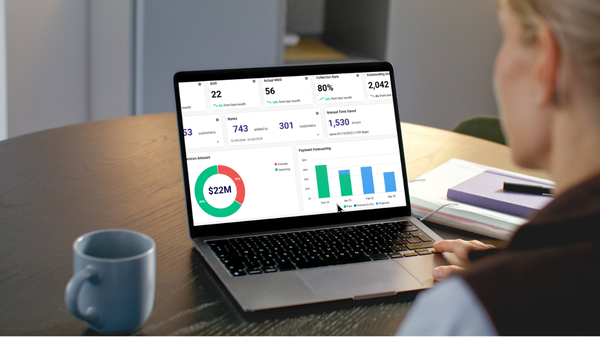
As deductions continue to grow in volume and complexity, finance and accounts receivable (A/R) teams are under increasing pressure to resolve them faster, recover more revenue, and maintain strong customer relationships. Manual tracking, spreadsheets, and email-based workflows are no longer sustainable at scale. This is why purpose-built deduction management software has become a strategic priority for mid-market and enterprise organizations heading into 2026.
Modern deduction platforms combine automation, workflow orchestration, analytics, and ERP integration to transform how A/R deductions are identified, validated, and resolved. In this guide, we’ll explore why organizations need dedicated tools, what features matter most, and which solutions are leading the market in 2026.
A/R deductions represent one of the most persistent sources of revenue leakage for finance teams. From pricing discrepancies and short payments to damaged goods and compliance-related claims, deductions often arrive with limited context and require cross-functional coordination to resolve.
Without a dedicated deduction management system, organizations typically rely on fragmented processes, emails, spreadsheets, shared folders, and ERP notes. These manual methods lead to delayed resolutions, inconsistent handling, poor visibility, and lost recoverable revenue.
Purpose-built A/R deduction management software centralizes all deduction-related data and workflows in one place. It allows teams to categorize deductions accurately, route them to the right owners, enforce resolution SLAs, and maintain a complete audit trail. This structured approach not only accelerates resolution but also strengthens internal controls and customer trust.
In addition, modern platforms support proactive analysis. Instead of simply reacting to deductions, A/R teams can identify recurring root causes and work with sales, logistics, or pricing teams to prevent or anticipate future issues. This shift from reactive to strategic deduction handling is a key driver behind widespread adoption.
For organizations managing high volumes of A/R deductions, specialized software is no longer optional, it’s essential for protecting margins and scaling operations.
Not all deduction tools are created equal. As you evaluate solutions for 2026, it’s important to focus on capabilities that deliver both immediate efficiency gains and long-term scalability.
Automation in deductions management is the foundation of modern platforms. Look for tools that automatically ingest deduction data, classify reason codes, assign ownership, and trigger follow-ups. Workflow automation ensures consistency and reduces dependency on tribal knowledge.
Seamless integration with ERP systems is critical. The best platforms align with established processes outlined in ERP and accounts receivable automation integration best practices, ensuring data flows smoothly between systems without duplication or reconciliation issues.
A strong deduction management system consolidates all supporting documents, proofs of delivery, invoices, contracts, and correspondence, into a single record. Built-in collaboration tools reduce back-and-forth emails and help teams resolve disputes faster.
Advanced reporting enables teams to track recovery rates, aging trends, frequent deduction reasons, and customer behavior. These insights support continuous improvement and policy changes that reduce future deductions.
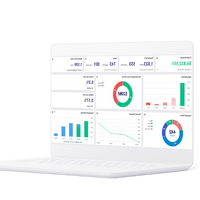
Watch a quick demo to see how Gaviti transforms deduction management end to end.
View the DemoAs deduction volumes grow, your software should scale without adding headcount. Configurable workflows, rules, and reason codes ensure the system adapts to evolving business needs.
Below are ten of the most effective and widely adopted deduction management software solutions to consider in 2026. Each offers distinct strengths depending on organizational size, industry, and AR maturity.
Gaviti provides a comprehensive, automation-driven deduction management system designed to integrate seamlessly into broader A/R workflows. Gaviti streamlines deduction management by enabling accurate coding and categorization at scale. The platform allows A/R teams to assign standardized deduction reason codes to every case, ensuring consistent classification across customers and channels. By organizing deductions by type, teams gain clear visibility into recurring issues, uncover root causes, and proactively address systemic roblems, reducing future deductions while improving recovery rates and reporting accuracy.
HighRadius offers an AI-powered platform that handles high volumes of deductions at scale. With strong automation, advanced analytics, and enterprise-grade ERP integrations, it’s well suited for large global organizations managing complex deduction scenarios.
Inymbus delivers a cloud-native deduction management solution with an emphasis on usability and rapid deployment. It supports automated classification, document management, and collaborative resolution workflows, making it a solid option for teams modernizing legacy processes.
Built directly into SAP environments, SAP Dispute Management is ideal for organizations already deeply embedded in the SAP ecosystem. It offers strong controls and compliance but often requires more configuration and internal resources to maintain.
Esker’s deduction management capabilities are part of a broader source-to-pay and order-to-cash suite. It emphasizes process automation and document capture, helping teams reduce manual effort and improve visibility across AR operations.
Billtrust focuses on A/R automation and offers deduction handling as part of its integrated platform. Its strengths include customer portals, automated cash application, and analytics that support faster dispute resolution.
Rimilia provides intelligent AR automation with robust deduction and dispute management features. Its AI-driven insights help teams identify patterns in deductions and improve recovery outcomes over time.
Versapay combines collaborative AR tools with payment and deduction management capabilities. It’s particularly useful for organizations that want to improve internal and customer-facing collaboration while maintaining centralized control.
Emagia delivers an AI-powered order-to-cash platform with strong deduction management functionality. It emphasizes predictive analytics and automation to help finance teams move from reactive to proactive operations.
Oracle’s solution integrates deduction management into its broader financial suite. It’s a good fit for Oracle-centric organizations that want native functionality but may require additional customization to meet complex deduction needs.
Manual deduction handling introduces risk at every stage, misclassification, missed deadlines, lost documentation, and inconsistent follow-ups. Automation directly addresses these challenges by standardizing and accelerating the resolution process.
With automation in deductions management, data is captured directly from remittance files, portals, or EDI feeds, reducing human error. Automated workflows ensure deductions are routed to the right teams immediately, while reminders and escalations prevent issues from aging unnecessarily.
Automation also enhances accuracy by enforcing validation rules and reason-code consistency. This makes it easier to distinguish valid deductions from invalid ones and prioritize recovery efforts accordingly.
The downstream impact is significant. Faster resolution improves cash flow, while better coordination reduces friction with customers. When combined with broader A/R automation strategies, it is possible to reduce collection calls with A/R automation software while seeing measurable improvements in both recovery rates and customer satisfaction.
Selecting the right deduction management system requires aligning technology capabilities with operational realities. Start by assessing your current deduction volume, complexity, and resolution timelines. High-volume environments benefit most from advanced automation and AI-driven insights.
Next, evaluate ERP compatibility. A solution that integrates natively with your ERP will reduce implementation risk and ensure data accuracy. Integration quality should be a top priority, not an afterthought.
Consider your team structure and workflows. The best A/R deduction management software should mirror how your organization actually operates, not force disruptive process changes. Configurability and ease of use are critical for user adoption.
Finally, look beyond features to long-term value. A strong vendor will provide ongoing support, continuous innovation, and scalability as your business grows. The goal is not just to manage deductions, but to transform them into a controllable, insight-driven process aligned with overall AR strategy and best practices in deduction management and A/R deductions.
As deduction volumes rise and complexity increases, organizations need more than basic dispute tracking, they need a modern, intelligent approach to deductions management. Gaviti stands out as the vendor of choice by combining automation, visibility, and control into a single, purpose-built platform designed specifically for AR teams.
Why leading finance teams choose Gaviti:
By turning deductions into a structured, automated, and insight-driven process, Gaviti helps organizations recover more revenue, improve cash flow, and strengthen customer relationships.
Ready to transform how your team manages deductions? Schedule a demo with Gaviti today and see how automation can help you resolve deductions faster, recover more, and gain full visibility into your A/R performance.
Deduction management software is purpose-built to handle disputes, short payments, and claims in detail. Unlike standard A/R platforms, it focuses on root-cause analysis, workflow automation, documentation, and recovery tracking rather than just invoicing, cash application, and collections.
Modern cloud-based deduction platforms typically offer stronger security than on-premise systems. They include encryption, role-based access, regular security updates, and compliance certifications. Cloud providers also invest heavily in monitoring and resilience, often exceeding internal IT capabilities.
Implementation timelines vary based on complexity and ERP integration. Most cloud-based deduction management systems can be deployed within 6 to 12 weeks, including configuration, data integration, testing, and user training, without major disruption to ongoing A/R operations.
Yes, leading deduction management tools are designed to integrate with major ERPs such as SAP, NetSuite, Oracle, and Microsoft Dynamics. These integrations enable real-time data exchange, consistent reporting, and streamlined workflows across finance systems.
Organizations typically see improvements in deduction resolution cycle time, recovery rate, open deduction aging, and manual effort per case. Additional gains often include better visibility into root causes, improved customer satisfaction, and more predictable cash flow.











Link is copied!
Contact us!
Welcome back