









Blog

Every business runs on cash. You can be profitable on paper and still struggle to make payroll, pay suppliers, or invest in growth, all because your customers are taking too long to pay. That’s where days sales outstanding (DSO) comes in.
DSO measures the average number of days it takes your business to collect payment after a sale has been made. The formula is straightforward: divide your accounts receivable by total credit sales, then multiply by the number of days in the period. But the implications go far beyond a formula. A high DSO signals a cash flow bottleneck. A low DSO means money is moving efficiently through your business.
For finance teams, DSO is one of the most actionable metrics available. Unlike broader financial indicators that take quarters to shift, DSO can be improved relatively quickly with targeted interventions. That’s exactly why this article focuses on quick wins, immediate, practical actions your team can take this week to start driving DSO reduction.
It’s also worth understanding that not all DSO measurements are created equal. The difference between standard DSO and best possible DSO reveals how much improvement is theoretically achievable in your specific business. Your best possible DSO is the DSO you’d have if every customer paid exactly on time. Closing the gap between your current DSO and your best possible DSO is the real goal, and it’s often more achievable than teams realize.
Before you start implementing changes, spend a little time understanding where your DSO problem actually lives. Not all late payments come from the same place, and not all fixes will have equal impact.
Start with these diagnostic steps:
This diagnostic work doesn’t need to take long. Even a two-hour review of your AR data can reveal quick wins that weren’t visible before.
Invoicing is ground zero for DSO. If your invoices are late, unclear, or inaccurate, you’re building payment delays into your process before the customer has even decided to pay slowly.
Here are the highest-impact invoice fixes:
Even simple formatting improvements like making the due date and payment link visually prominent have been shown to improve payment speed.
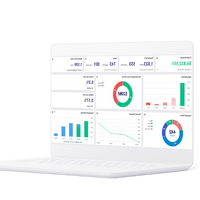
Gaviti helps companies improve cash flow and streamline their accounts receivable processes. Take a virtual tour of the Gaviti platform and see if it is the right solution for your company.
See Product DemoOnce invoices are out, the collections process takes over. And for most businesses, this is where DSO bloat really happens, not because customers refuse to pay, but because the follow-up process is inconsistent, delayed, or too passive.
Tighten your reminder cadence. If you’re only sending one reminder after the due date, you’re leaving money on the table. A well-structured sequence, including a reminder before the due date, a same-day notice, and escalating follow-ups at 7, 14, and 30 days past due, significantly accelerates payments.
Personalize outreach for high-value accounts. Automated reminders are efficient, but for your top accounts, a personalized call or email from a dedicated AR contact can make a meaningful difference. Customers are more likely to prioritize invoices when they have a human relationship with your team.
Make it easy to pay. Reduce friction at every step. Offer multiple payment methods, include a direct payment link in every communication, and consider offering a self-service portal where customers can view and pay invoices on their own schedule.
Escalate strategically. Define clear escalation triggers in your collections workflow. When an account hits 45 days past due, it should automatically move to a different communication channel or team member, not wait for someone to notice manually.
These DSO reducing strategies don’t require new software to implement. They can be operationalized through better process design and team coordination starting today.
Sometimes the fastest way to reduce DSO is to change what you’re offering, and what you’re requiring.
These policy changes can be implemented quickly and often produce immediate DSO improvement without any technology investment.
Implementing changes without tracking their impact is a missed opportunity. To know what’s working, you need to measure DSO consistently before and after each intervention.
Calculate DSO on a rolling basis. Rather than measuring once per quarter, track DSO weekly or monthly so you can detect trends early and attribute changes to specific actions.
Monitor DSO by customer segment. Aggregate DSO can mask important variations. Track DSO separately for your largest accounts, your highest-risk segments, and different product lines to get a nuanced picture of where improvement is happening.
Track adjacent metrics. DSO doesn’t exist in isolation. Monitor your collection effectiveness index (CEI), your AR aging distribution, and your percentage of invoices disputed to get the full picture of your AR health.
Set a target gap between your standard and best possible DSO. Closing the gap between standard DSO and best possible DSO over time is a meaningful and motivating internal benchmark.
Build a DSO dashboard. Whether you use a dedicated AR platform or a spreadsheet, make DSO and related metrics visible to your finance team on a regular basis. Visibility drives accountability.
For teams ready to go beyond manual processes, Gaviti offers a purpose-built accounts receivable automation platform designed to reduce DSO and accelerate cash flow at scale.
Gaviti automates the full AR lifecycle, from invoice delivery and collections outreach to payment matching and reporting, so your team can focus on high-value exceptions rather than routine follow-up. The platform’s AI-powered collections workflows ensure that every customer receives the right communication at the right time, eliminating the manual delays and inconsistencies that inflate DSO.
With Gaviti, finance teams benefit from:
Gaviti is the leading platform that reduces days sales outstanding (DSO) by turning AR from a reactive function into a proactive, data-driven operation. Businesses using Gaviti consistently report faster payment cycles, improved collector productivity, and stronger cash flow outcomes.
Days sales outstanding (DSO) measures the average number of days it takes your business to collect payment after a sale. It matters because high DSO means cash is tied up in receivables instead of available for operations, investment, or debt repayment, directly constraining your financial flexibility and growth potential.
The fastest no-software wins include sending invoices immediately upon delivery, tightening your follow-up reminder cadence, offering early payment discounts, and shortening credit terms for slow-paying accounts. Consistent enforcement of these policies alone can produce meaningful DSO improvement within the first billing cycle.
Invoicing errors and delays are among the most common drivers of slow payment. Accurate, timely invoices with clear payment instructions and embedded payment links reduce disputes and friction. Electronic invoicing to reduce days sales outstanding (DSO) is particularly effective, as it eliminates postal delays and makes it easier for customers to process and pay quickly.
Yes, when structured correctly. A modest discount (1–2%) for early payment gives customers a tangible financial reason to prioritize your invoice over others. The cost of the discount is typically offset by improved cash flow and reduced collections effort, making early payment incentives one of the highest-ROI DSO reducing strategies available.
Many businesses see initial DSO movement within 30–60 days of implementing changes, particularly with invoicing and collections workflow improvements. More structural changes, like revised credit terms or new incentive programs, may take 60–90 days to fully reflect in your DSO metric as outstanding balances turn over.













Link is copied!
Contact us!
Welcome back