






Blog


10 Types of Accounts Receivable Reports CFOs Need
March 17, 2026
Accounts receivable (A/R) teams are under increasing pressure to recover outstanding payments faster, reduce DSO, and maintain positive customer relationships, all while staying compliant across regions. Manual follow-ups, spreadsheets, and disconnected systems no longer cut it. This is where debt collection software has become a strategic necessity rather than a back-office tool.
Modern platforms now combine automation, AI, analytics, and omnichannel communication to help finance teams proactively manage collections and prevent overdue invoices from turning into bad debt. In this guide, we break down the 12 best debt collection software solutions for A/R teams in 2026, key features to look for, and why Gaviti continues to stand out as the vendor of choice for early-stage and in-house collections.
The role of A/R has evolved. What was once a reactive function focused on posting payments and chasing overdue invoices is now a strategic driver of cash flow and customer experience. In 2026, A/R teams are expected to do more with less, manage higher invoice volumes, support multiple regions, and adapt to changing payment behaviors.
Debt collection and recovery software enables teams to shift from reactive chasing to proactive engagement. By automating reminders, prioritizing high-risk accounts, and providing real-time insights, these platforms help prevent invoices from aging into delinquency in the first place.
Unlike manual processes, cloud based debt collection software centralizes data, standardizes workflows, and ensures consistency across the entire collections lifecycle. This is especially important for mid-market and enterprise finance teams managing thousands of open invoices across multiple entities.
Key drivers for adoption include:
For many organizations, the right software reduces reliance on external providers and clarifies A/R management vs. debt collection responsibilities within finance teams.
Not all debt collection tools are created equal. The most effective platforms in 2026 go far beyond basic reminder emails and aging reports. Below are the essential features A/R teams should expect from modern AI debt collection software.
Automated debt collection software eliminates manual follow-ups by triggering reminders, tasks, and escalations based on invoice age, customer behavior, or risk profile. This ensures no account falls through the cracks.
AI models analyze historical payment data, customer behavior, and invoice attributes to prioritize accounts with the highest likelihood of payment or risk. This allows collectors to focus their time where it matters most.
Top platforms support email, phone, SMS, customer portals, and even WhatsApp, enabling personalized outreach through the customer’s preferred channel.
A single source of truth for invoices, disputes, promises to pay, and communication history improves collaboration and reduces internal friction.
Built-in controls help ensure compliance with regional regulations and internal policies, reducing risk as teams scale globally.
Seamless integration with ERP and CRM systems ensures accurate data flow, eliminates duplicate entry, and aligns collections with the broader finance ecosystem.
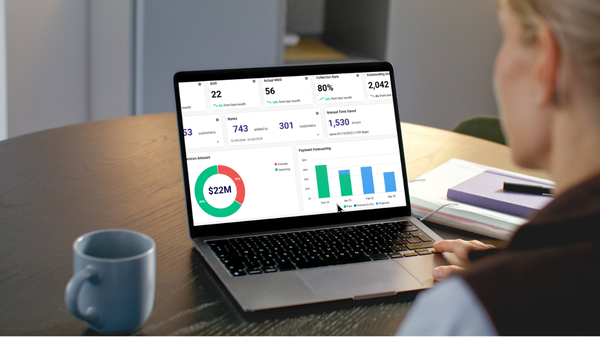
Dashboards and KPIs provide visibility into DSO, collector performance, recovery rates, and customer payment trends.
Modern debt collection software provides dedicated employee workspaces that clearly assign tasks and priorities to each team member. These workspaces show collectors exactly what they need to work on each day, calls to make, emails to send, accounts to review, and follow-ups due, eliminating guesswork, improving accountability, and ensuring consistent execution across the team.
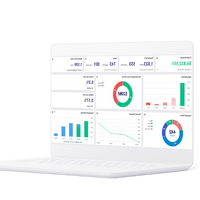
Explore a guided virtual demo of Gaviti’s collections platform
See Product DemoA common question for finance leaders is whether to invest in software or rely on a debt collection agency/firm. While both play a role, they serve very different purposes.
Debt collection software is designed for in-house and early-stage collections, enabling teams to recover payments before accounts become severely delinquent. It gives businesses full control over customer communication, branding, and strategy.
In contrast, a collections agency typically focuses on chronic or long-term debt and operates externally, often taking a percentage of recovered funds. This approach may be necessary once invoices reach a certain age, but it can impact customer relationships and reduce margins.
Many organizations use software to delay or minimize the need for third-party involvement, only escalating when necessary. Understanding when to send unpaid invoices to collections is critical for balancing recovery and customer retention.
Below is a curated list of the top debt collection software platforms for A/R teams in 2026, based on functionality, scalability, and suitability for modern finance organizations.
Gaviti is a purpose-built A/R and collections automation platform designed specifically for early-stage and in-house debt collection. It helps finance teams proactively manage overdue invoices through configurable workflows, automated follow-ups, and omnichannel communication. Gaviti’s AI-driven prioritization ensures collectors focus on the accounts most likely to pay, while deep ERP integrations provide a single source of truth for invoices, disputes, and customer data. Unlike tools designed for chronic debt, Gaviti emphasizes relationship-preserving collections that reduce DSO without damaging customer trust.
HighRadius is an enterprise-grade finance automation platform offering advanced A/R and collections capabilities. Its debt collection software leverages AI and machine learning to prioritize accounts, predict payment behavior, and optimize collector actions. HighRadius is known for robust analytics, global compliance support, and scalability across complex organizational structures. While powerful, the platform is often best suited for large enterprises with the resources to support implementation and customization.
Kolleno combines credit control, collections, and payments into a unified platform focused on collaboration and customer experience. The software emphasizes transparency through shared customer portals, automated reminders, and internal collaboration tools that align finance and sales teams. Kolleno’s approach is designed to reduce friction in collections while maintaining strong customer relationships, particularly in B2B environments.
YayPay offers a collections automation platform that provides CRM-style visibility into the collections pipeline. Its strength lies in analytics and reporting, enabling A/R teams to track performance, prioritize outreach, and identify bottlenecks. Automated workflows and dashboards help collectors manage daily tasks efficiently, while integration with ERP systems ensures data accuracy across the collections lifecycle.
Tesorio combines automated collections with cash flow forecasting to help finance leaders better predict liquidity. The platform automates outreach while providing visibility into expected cash inflows, making it particularly useful for organizations focused on short-term cash planning. Tesorio’s collections capabilities are designed to complement forecasting rather than replace dedicated enterprise collections platforms.
Invoiced provides an all-in-one solution that includes billing, payments, and collections automation. Its debt collection software enables automated reminders, customer self-service portals, and online payment options to accelerate cash collection. Invoiced is particularly attractive to growing companies that want to consolidate billing and collections into a single platform without managing multiple tools.
Versapay positions itself as a collaborative A/R platform, integrating collections, payments, and customer communication. Its tools are designed to reduce friction by enabling customers to resolve issues and pay invoices digitally. Versapay’s focus on collaboration helps A/R teams work more effectively with customers and internal stakeholders.
BlackLine’s A/R automation solution is part of its broader finance transformation suite. It offers enterprise-grade collections capabilities, including workflow automation, reporting, and compliance support. Organizations already using BlackLine for financial close and reconciliation may benefit from extending the platform into A/R and collections for a more unified finance stack.
Chaser is a lightweight, cloud based debt collection software focused on simplicity and ease of use. It automates payment reminders and provides visibility into overdue invoices without the complexity of larger enterprise platforms. While it lacks advanced AI features, Chaser is effective for smaller teams looking to standardize and automate basic collections processes.
Upflow offers an A/R and collections platform designed to improve visibility and collaboration across finance teams. It provides automated follow-ups, real-time dashboards, and tools to align collections efforts with broader revenue operations. Upflow is well-suited for companies experiencing rapid growth and needing better control over their receivables.
Quadient AR focuses on communication management and compliance within accounts receivable and collections. Its platform helps organizations standardize outbound communication, manage regulatory requirements, and maintain audit trails. Quadient is often used by organizations operating in regulated industries where consistency and compliance are critical.
Experian offers data-driven collections tools that leverage credit insights, analytics, and risk scoring. By combining external credit data with internal A/R information, Experian’s solutions help organizations make more informed decisions about collections strategies and escalation paths. These tools are particularly useful for companies that incorporate credit risk into their collections approach.
Choosing the right debt collection software requires more than comparing feature lists. Finance leaders should evaluate platforms based on strategic fit, scalability, and long-term value.
Clarify whether you need early-stage collections, dispute management, or pre-agency workflows. Some tools are better suited for proactive A/R, while others lean toward late-stage recovery.
Ensure the platform integrates seamlessly with your ERP, CRM, and billing systems to avoid data silos.
Look for solutions that go beyond rule-based automation and leverage AI for prioritization and insights.
An intuitive interface and configurable workflows are critical for collector productivity and adoption.
If you operate across regions, compliance features and localization support are essential.
Gaviti stands out in the crowded market of debt collection software by focusing on what A/R teams actually need: effective, early-stage collections that protect customer relationships.
Unlike platforms or providers designed for chronic or long-term debt, Gaviti is purpose-built for collections and early-stage debt collection within finance teams. It empowers organizations to recover outstanding invoices before they escalate to external agencies.
Key benefits of Gaviti include:
By keeping collections in-house and data-driven, Gaviti helps finance teams improve cash flow while maintaining trust with customers.
Ready to see how Gaviti can transform your collections process? Schedule a demo today to learn more.
Automated collection software improves recovery rates by ensuring timely, consistent follow-ups and prioritizing accounts most likely to pay. Automation reduces human error, prevents missed touchpoints, and allows collectors to focus on high-impact activities, resulting in faster payments and lower DSO.
Industries with recurring invoicing, complex billing, or high transaction volumes benefit most from debt collection tools. This includes SaaS, manufacturing, logistics, professional services, healthcare, and wholesale distribution, where proactive collections significantly impact cash flow and customer relationships.
Debt collection software supports in-house and early-stage collections by automating workflows and communication while preserving customer relationships. A collections agency typically handles late-stage or chronic debt externally, often charging a percentage of recovered funds and offering less control over the customer experience.
Using debt collection software keeps collections in-house, reduces costs, improves visibility, and maintains consistent customer communication. Outsourcing to an agency may be necessary for long-term delinquency, but software helps delay or avoid that step by improving early recovery rates.
Yes, most modern debt collection platforms support omnichannel communication, including email, phone, SMS, and customer portals. This flexibility allows A/R teams to reach customers through their preferred channels, increasing engagement and accelerating payment resolution.
Collection platforms manage compliance by standardizing workflows, enforcing communication rules, and maintaining detailed audit trails. Many tools offer localization, role-based access, and configurable policies to help organizations comply with regional regulations and internal governance standards.
Most leading debt collection software integrates with popular ERP and CRM systems such as NetSuite, SAP, Oracle, and Salesforce. These integrations ensure real-time data synchronization, eliminate manual data entry, and provide a unified view of customer and invoice information.











Link is copied!
Contact us!
Welcome back